A Passion for Farming That Started Decades Ago
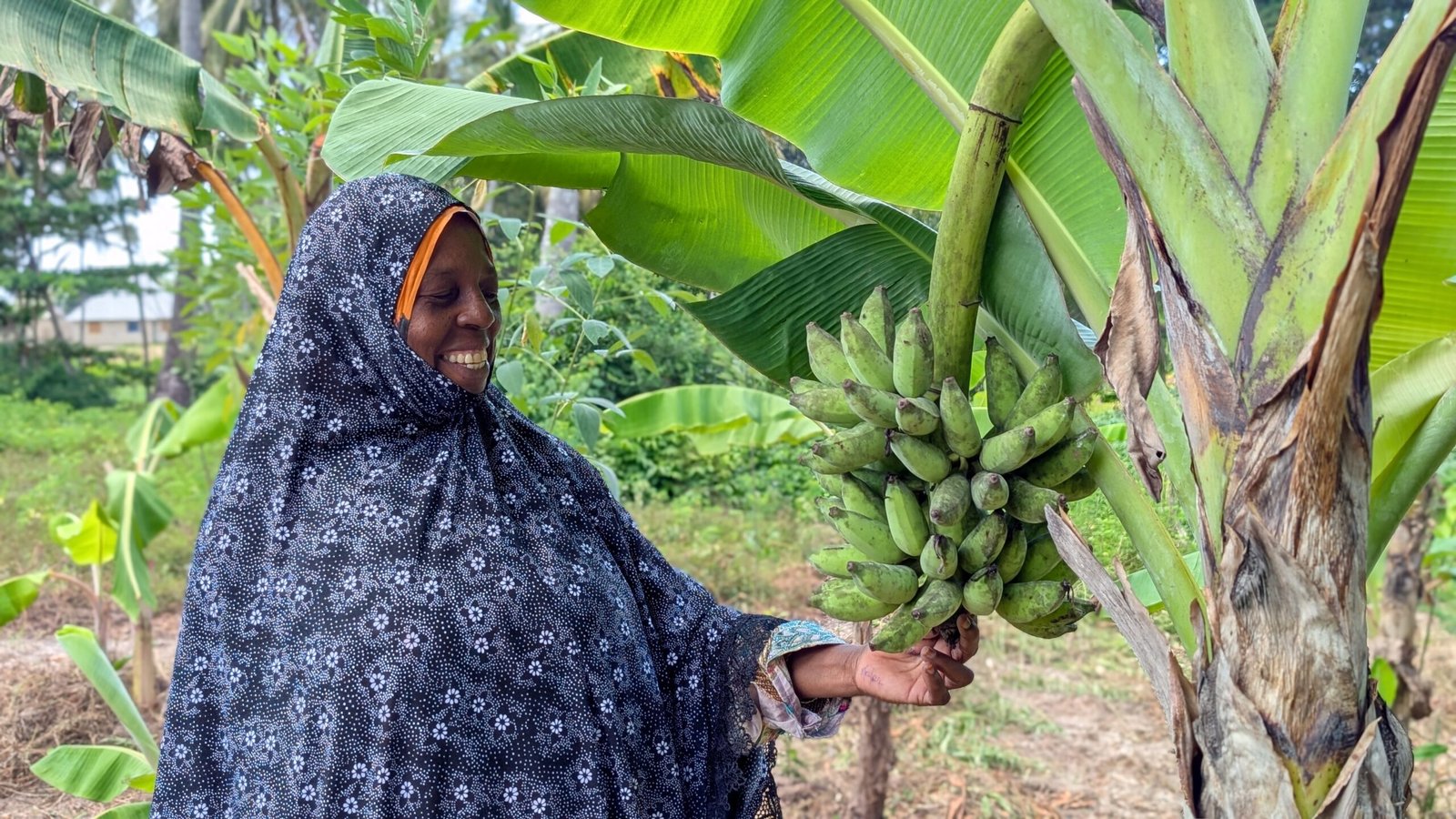
For more than 20 years, farming has been at the heart of Hadia Ali Muhammad’s life. The 45-year-old farmer from Uzi has spent decades cultivating crops and planting trees, long before agroforestry became a focus in her community.
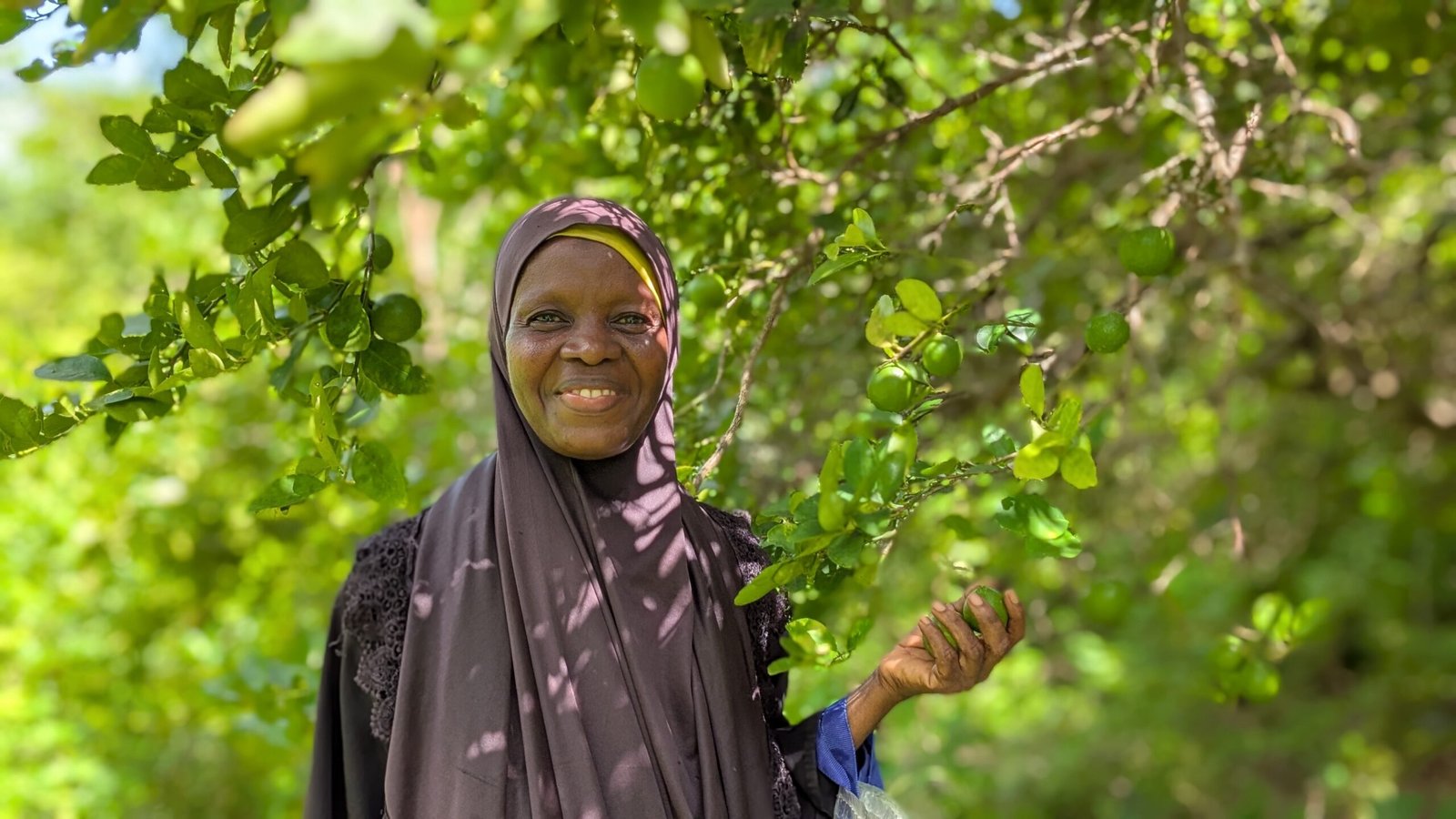
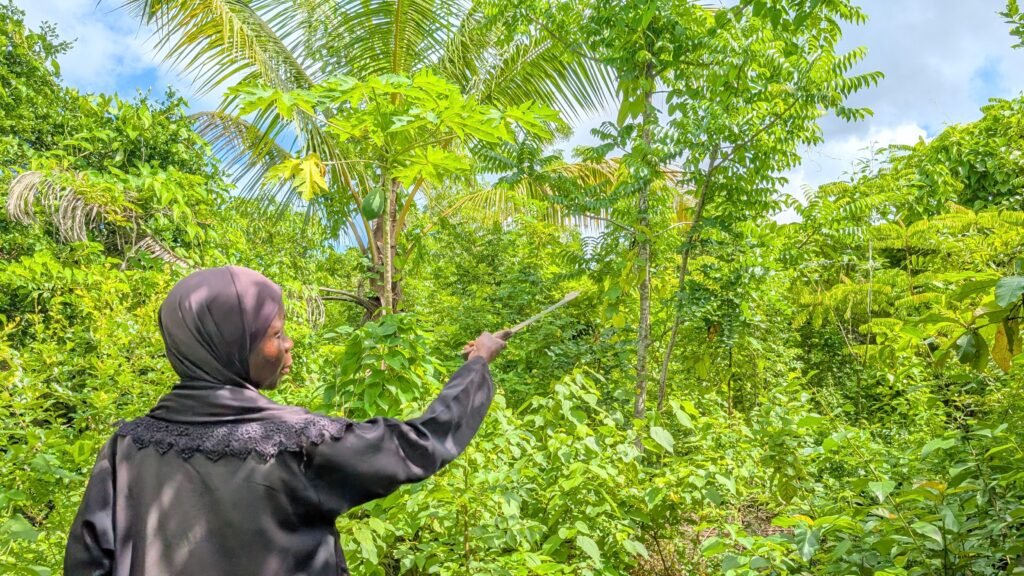
Today, her farm is home to a variety of crops, including cassava, sweet potatoes, onions, vegetables, mangoes, lemons, coconuts, avocados, pineapples, and bananas. Farming is her primary source of income and has enabled her to support her family, pay for her children’s university education, and invest in her future.
However, her journey began at a time when very few women in Uzi engaged in farming. According to Hadia, there were only about five women farmers in the community when she started.
Twenty years ago, she secured her first piece of land by clearing and cultivating unclaimed land under customary ownership. While many women depended on their husbands for financial security, Hadia chose to build her own livelihood through agriculture.
Overcoming Stigma and Social Expectations
Despite her passion and determination, Hadia faced significant criticism from her community.
“When I first started farming, I was ridiculed,” she recalls. “People said farming was not something women should do.”
The discouragement came not only from men but also from fellow women who viewed farming as unsuitable work for women. At times, the criticism made her feel isolated, but she remained committed to her vision.
“I knew the value of farming and land ownership,” she says. “Even when others discouraged me, I continued because I could see the opportunities.”
For many years, she farmed largely on her own, driven by a belief that agriculture could provide financial independence and long-term security.
Finding Support Through the ZanzAdapt Project
When the ZanzAdapt Project began promoting women’s participation in agroforestry and climate-resilient agriculture, Hadia felt a sense of relief and excitement.
“When the project came to encourage women to engage in farming, I was very happy,” she says. “Finally, other women would understand the benefits of farming. I would no longer be alone.”
Hadia joined the project in September 2025 and received fruit tree seedlings and vegetable planting materials to diversify and expand her farm. Among the crops she received, pineapples have become one of her greatest sources of pride.
“I always wanted to grow pineapples, but the planting materials were expensive,” she explains. “The project provided me with many pineapple suckers. I was overjoyed.”
The pineapple plants are now thriving on her farm, providing her with a sustainable source of planting material for future harvests and reducing her dependence on costly purchases.
Turning Agricultural Success into Long-Term Investment
Since joining the project, Hadia has seen her farm income increase significantly. The additional earnings have allowed her to make one of the most important investments of her life.
Using her savings and a loan from her Village Savings and Loan Association (VSLA), she purchased a plot of land of her own.
Her next goal is to build a two-bedroom house with electricity on the property. Importantly, she wants the house to be solely in her name—an asset she can leave to her children in the future.
Hadia is also planning ahead. Recognizing the development taking place in Uzi, she hopes to eventually rent the house to tourists and visitors, creating another source of income for her family.
Creating Opportunities for Her Family
The income generated from Hadia’s farm supports many aspects of her family’s wellbeing.
She uses the money to pay for her children’s education, meet household needs, reinvest in her farming activities, and build her savings. As her farm has expanded, she has also begun hiring labourers to assist with farm operations.
Her success has changed perceptions within her own household as well. While her husband was initially uninterested in her farming activities, he has become more supportive after witnessing the results of her hard work and determination.
Inspiring Other Women to Take Action
Having experienced the benefits of farming firsthand, Hadia now encourages other women to pursue agroforestry and agriculture as pathways to economic empowerment.
“Women should stop being idle and get involved in agroforestry,” she says. “There is so much to gain. Because of farming, I can support myself and my family.”
Her message reflects the transformation she has witnessed not only in her own life but also among other women who have joined agricultural activities through the project.
A Visionary Investing in the Future
Hadia’s story is one of resilience, vision, and determination. At a time when social expectations discouraged women from farming and owning land, she chose a different path.
For two decades, she remained committed to agriculture despite criticism and isolation. Today, that perseverance is paying off. Through her hard work and support from the ZanzAdapt Project, she has expanded her farm, increased her income, purchased land, and is working toward building a lasting legacy for her children.
What began as the journey of one of only a handful of women farmers in Uzi has become a powerful example of how women can transform their lives when they have access to resources, opportunities, and the confidence to pursue their ambitions.