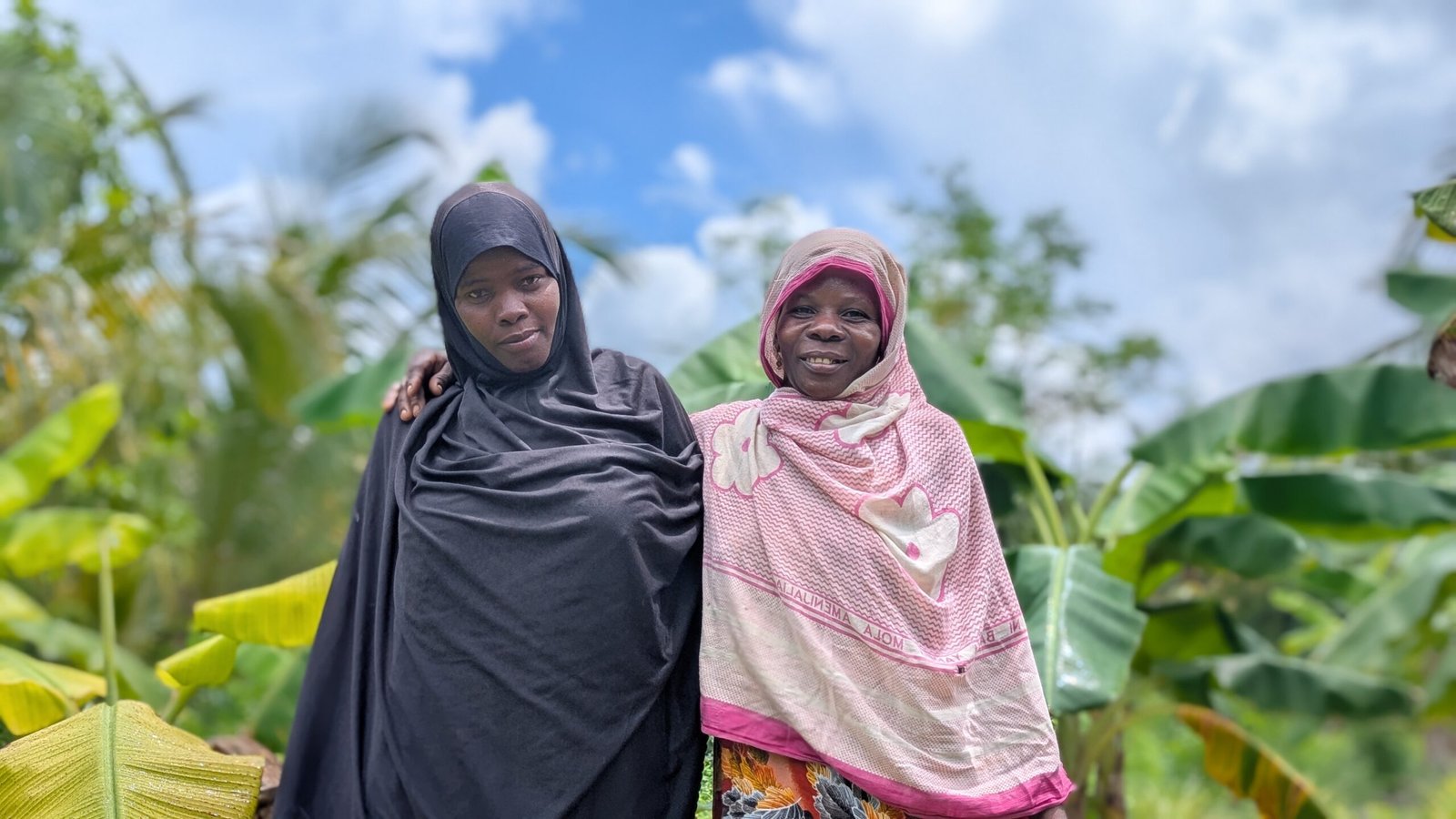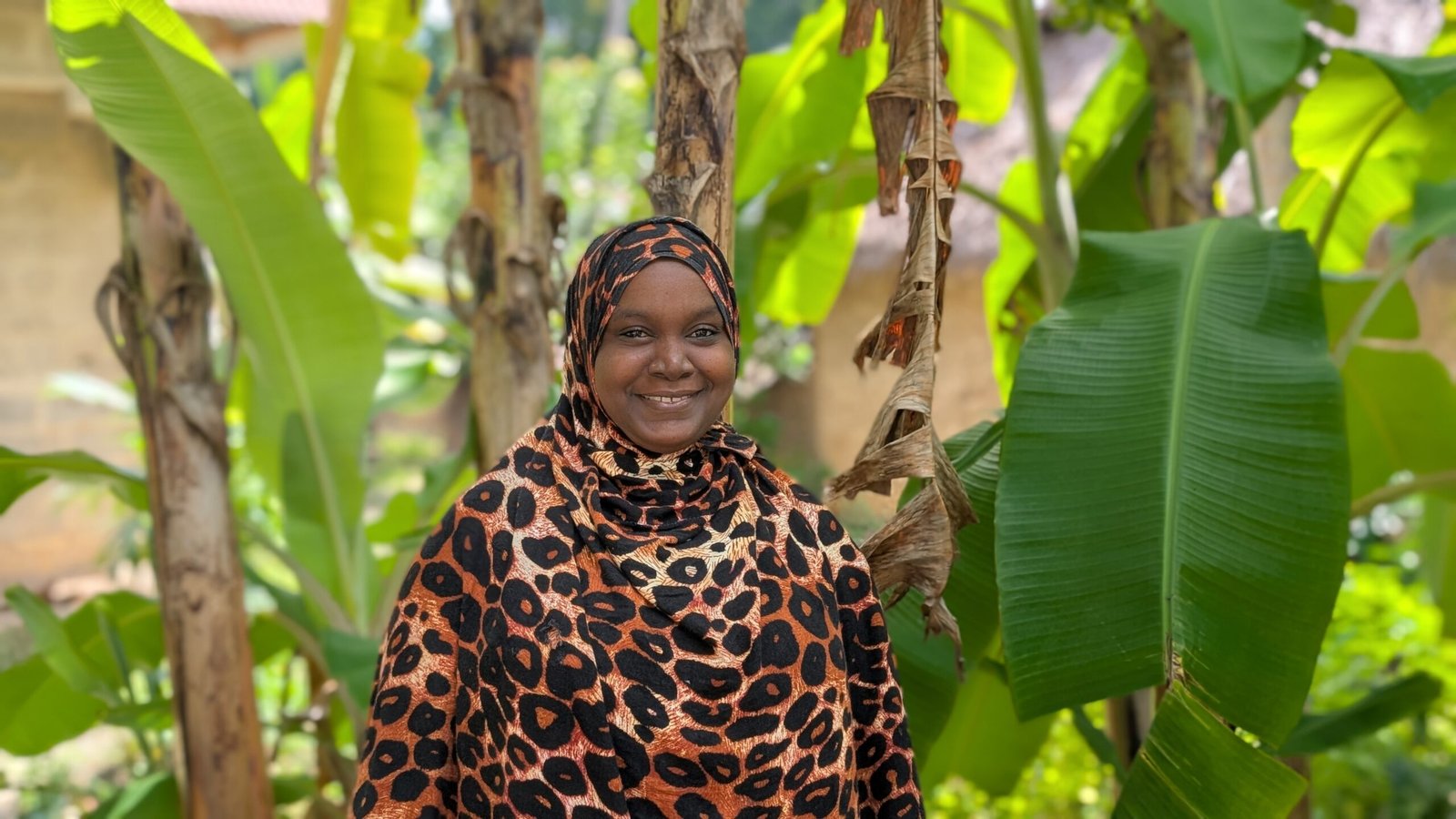
For most of her life, Zulekha never imagined herself as a farmer, community advocate, or champion for women’s rights. Like many women in her community, she spent her days managing household responsibilities and earning a small income through crocheting. Farming was not something she considered for herself, nor did she believe it was a role women were expected to take on.
Everything changed when she heard about the ZanzAdapt Project.
Initially, Zulekha joined out of curiosity. Alongside a friend, she attended agroforestry training sessions organized through the project. The information was entirely new to her, and each session left her eager to learn more. She became fascinated by the idea that farming could not only improve household livelihoods but also restore the environment.
After every training session, Zulekha would return home and share what she had learned with her husband. She did this intentionally. She wanted him to understand the benefits of agroforestry and feel included in her learning journey.
“The more I learned, the more excited I became,” she recalls. “I knew I wanted to be part of it, but I also wanted my husband to understand why it was important.”
Her efforts paid off. By the time she asked her husband for a piece of land to start farming, he already understood the value of agroforestry and had no objections. Instead, he willingly allocated her a plot of land and encouraged her to begin.
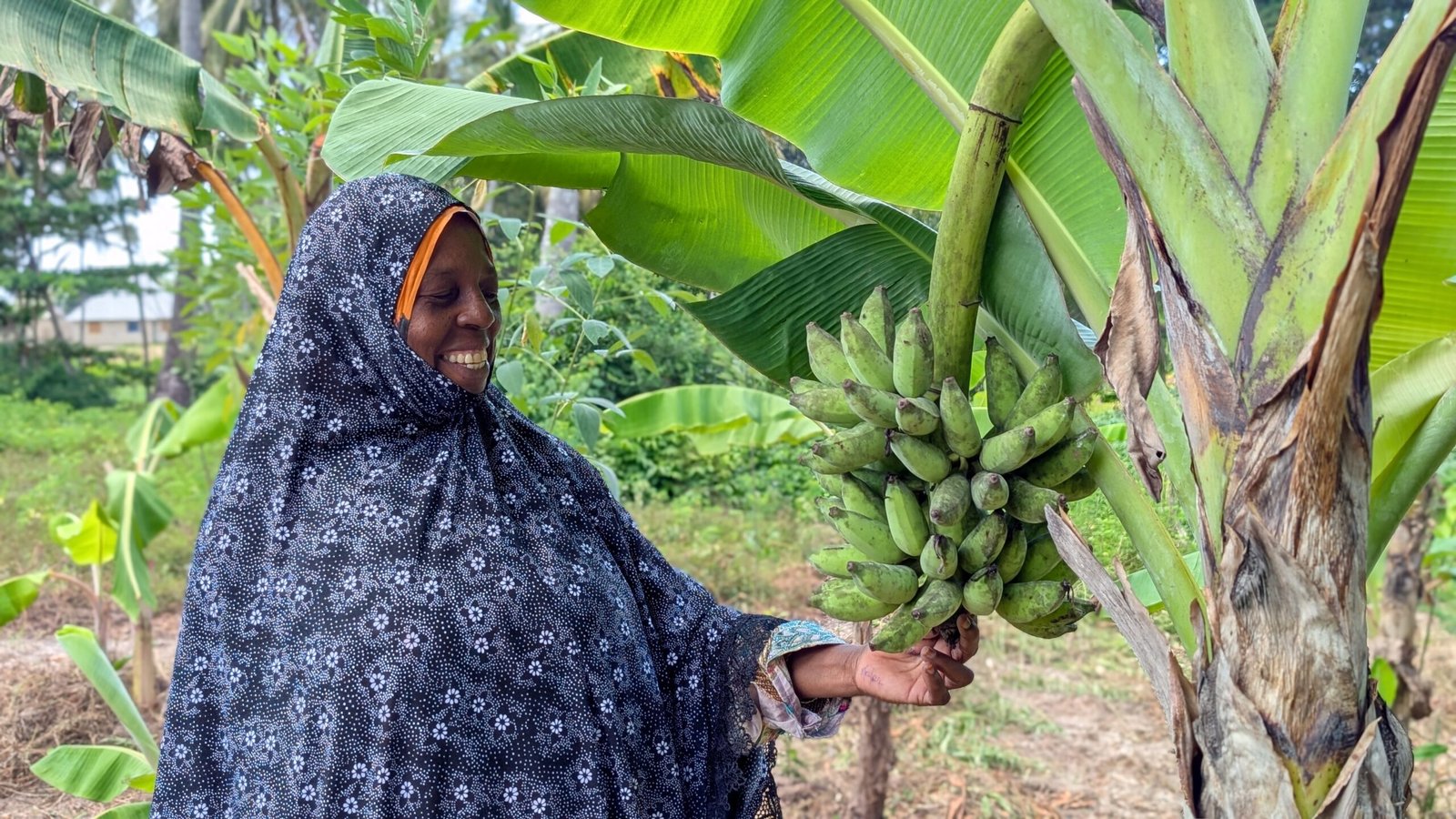
Using the transport allowance she received from attending training sessions, Zulekha cleared the land and started her farm. Over time, she planted and harvested crops including bananas and pineapples, creating a new source of food and income for her family.
The impact became especially clear during a period when her husband was unable to earn an income. The farm became a critical source of support for the household, providing both food and money when the family needed it most. The earnings have since helped cover household expenses, including school fees for their children.
Learning That Changed More Than Livelihoods
Beyond the economic benefits, the project transformed Zulekha’s understanding of women’s rights and gender equality. Through training sessions, she learned about women’s participation in decision-making, access to resources, and the importance of equal opportunities.
The knowledge inspired her to have regular discussions with her husband about gender equality and women’s rights. These conversations strengthened mutual understanding and support within their marriage, enabling her to participate fully in project activities, including leadership opportunities, media training, and community engagement initiatives.
“I learned that when men and women support each other, the whole family benefits,” she says.
Motivated by this new understanding, Zulekha became determined to ensure that other women could benefit as well.
Becoming an Advocate for Other Women
When one of her friends wanted to participate in agroforestry but was denied access to land by her husband, Zulekha decided to intervene. Drawing on the gender equality knowledge she had gained through the project, she approached him and explained the benefits of supporting women’s participation.
She remembers telling him, “Hili jambo lina faida kwa wote, wewe, wanao na jamii nzima” (“This benefits everyone—yourself, your children, and the entire community”).
At first, he was hesitant and held negative perceptions about women’s empowerment and education. However, Zulekha persisted. Eventually, he agreed to allocate land to his wife.
Today, that family’s farm is producing crops including cinnamon, bananas, and pineapples. Seeing the results firsthand, the husband has become grateful for the opportunity and supportive of his wife’s involvement.
This experience reinforced Zulekha’s belief that empowering women creates positive change for entire families and communities.
Her growing passion for gender equality led her to join a Community Action Group (CAG), where she works with others to address challenges affecting women in her community. She believes that every woman deserves access to information, opportunities, and support.
She also uses women’s spaces, including savings groups (VICOBA), to share the knowledge she has gained. Fellow members often look forward to hearing what new information she has learned. Whether discussing women’s rights, gender equality, or practical livelihood opportunities, Zulekha has become a trusted source of advice and encouragement.
From Beneficiary to Community Leader
What began as curiosity about agroforestry has evolved into something much larger. Through the ZanzAdapt Project, Zulekha gained the knowledge and confidence to improve her own life while helping other women do the same.
Today, she is no longer simply a beneficiary of the project. She is a farmer, advocate, educator, and community leader committed to creating opportunities for women and ensuring that no one is left behind.
Looking ahead, Zulekha hopes to continue expanding her farm, strengthening her family’s livelihood, and supporting more women to understand and claim their rights. She believes that lasting change begins when women are given the knowledge, confidence, and opportunity to participate fully in decisions that affect their lives.
For Zulekha, the most significant change has not only been the crops she harvests from her land, but the confidence and purpose she has cultivated within herself—and the positive impact she is now helping create for others.