Communities in Zanzibar are taking new steps toward advancing gender equality and climate resilience following the launch of Community Gender Action Groups (CAGs) under the ZanzAdapt Project this February.
The groups were established to strengthen women’s participation and leadership in climate adaptation and natural resource management while addressing persistent social barriers that limit women’s access to land, decision-making spaces, and environmental governance.
The launch marks an important milestone for the ZanzAdapt Project, which works to support community-led climate solutions while promoting gender equality across project areas.
Laying the Foundation for Community Action
The establishment of the Community Gender Action Groups followed several months of preparation, beginning with a community survey to better understand gender dynamics and barriers faced by women in participating communities.
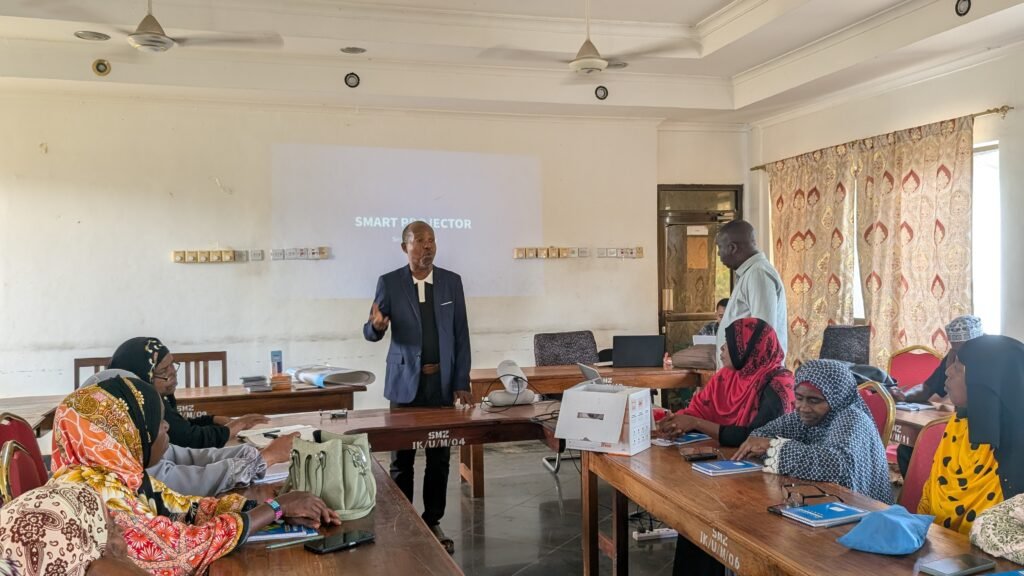
Based on the survey findings, potential members were carefully selected to ensure strong representation from across the community. Selected participants then took part in a training programme facilitated by gender experts from ACSID, who provided guidance on gender-responsive leadership, community engagement, and advocacy.
The process also included two-day training workshops held in Unguja and Pemba, where community mobilisers from the project working shehias were equipped with the knowledge and tools needed to help establish and lead the groups within their communities.
Inclusive Representation from Across the Community
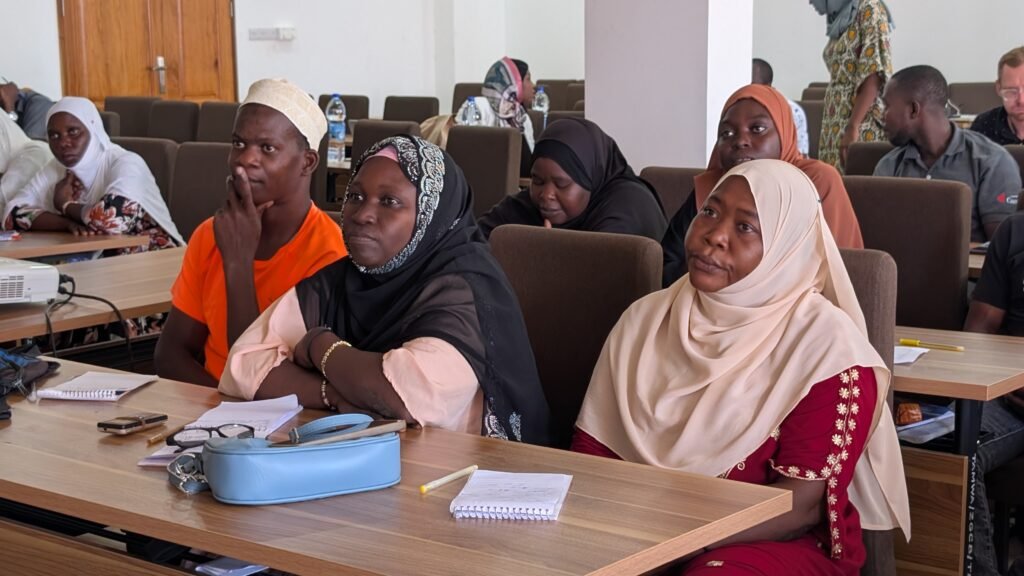
The formation of the groups prioritised inclusivity and community influence. Members were selected from a diverse range of backgrounds to ensure that the groups could effectively engage different segments of society.
Participants include faith leaders, youth representatives, journalists, Trainers of Trainers (ToTs), and other respected community members. The selection process also ensured the presence of both women and men, as well as individuals from within and outside the ZanzAdapt project areas.
By bringing together diverse perspectives, the groups aim to encourage dialogue, challenge restrictive social norms, and promote collective responsibility for advancing gender equality and climate action.
Three Working Groups Driving Change
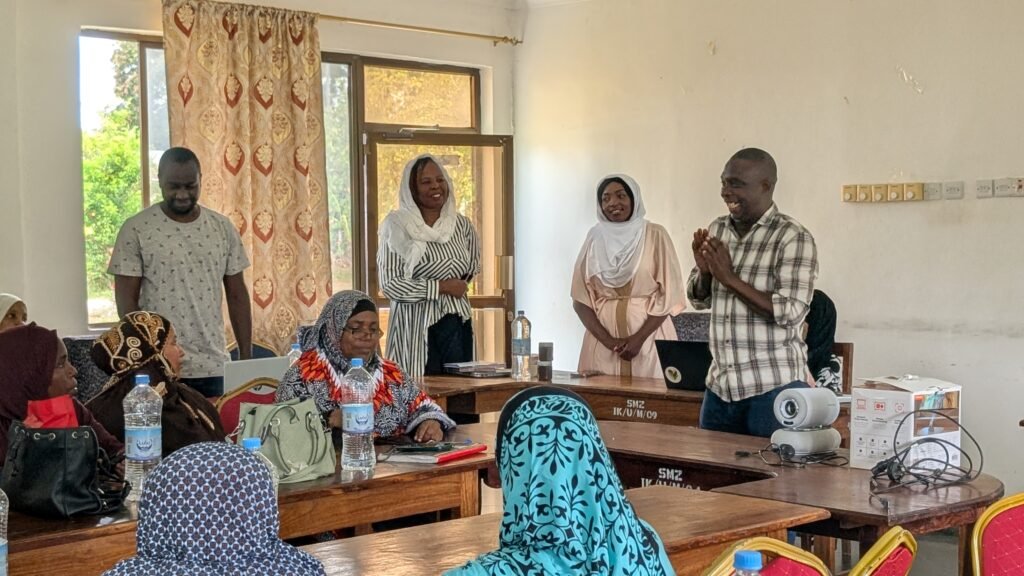
To guide their activities, the Community Gender Action Groups have been organised into three thematic working groups, each addressing key areas of community transformation.
Media Advocacy for Women’s Empowerment
This group will focus on using media and storytelling to highlight women’s contributions to climate action and community development. Through advocacy and communication efforts, the group hopes to amplify women’s voices and promote positive narratives around women’s leadership.
Enhancing Safe Spaces and Women’s Leadership in Climate Action and Natural Resource Management
This working group will focus on strengthening environments where women feel safe and confident to participate in leadership roles related to climate adaptation, environmental governance, and community decision-making.
Intergenerational Approaches to Gender Equality
Focusing on addressing the limited access women have to land and resources, this group will promote dialogue across generations to encourage more equitable attitudes and practices. By bringing together youth, elders, and community leaders, the group aims to foster evolving perspectives on gender roles, shared leadership, and women’s rights to land and decision-making.
Collaboration with Government and Community Leaders
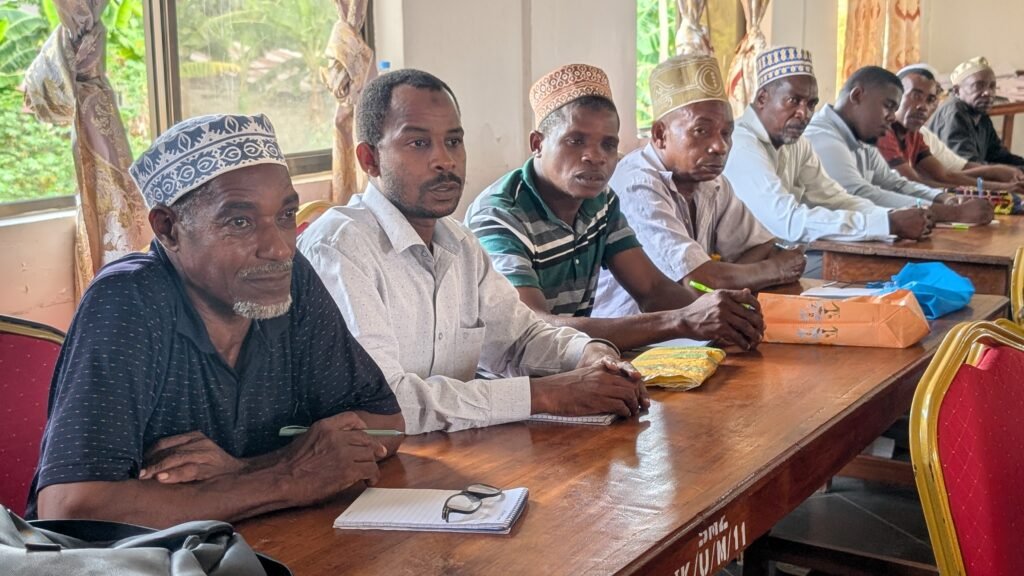
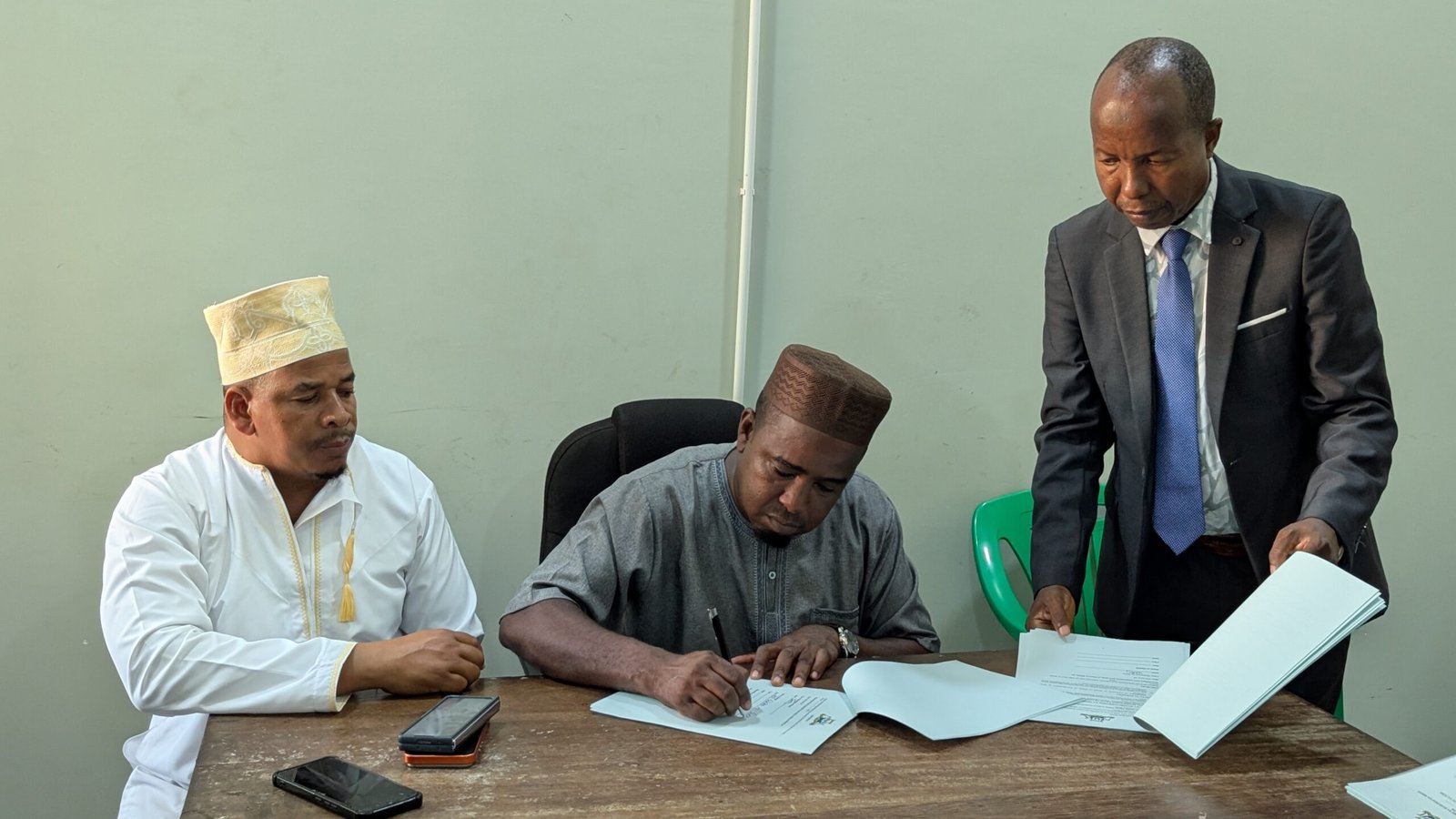
The process of establishing the Community Gender Action Groups also involved collaboration with local leadership and government stakeholders to ensure alignment with existing governance systems.
Local leaders, including Shehas and representatives from the Ministry responsible for gender affairs, participated in the process to support coordination and strengthen partnerships between communities, local authorities, and development initiatives.
Their involvement will help ensure that the work of the groups complements broader efforts to promote gender equality and climate resilience in Zanzibar.
Looking Ahead

Moving forward, the Community Gender Action Groups will work closely with Community Forests Pemba (CFP) staff to implement activities that promote inclusive leadership and strengthen women’s voices in environmental governance.
Through dialogue, advocacy, and community engagement, the groups aim to address challenges such as limited land access for women, environmental degradation, and barriers to women’s participation in climate-related decision-making.
By creating spaces where women and men can work together to shape solutions, the initiative seeks to build stronger, more resilient communities capable of responding to the impacts of climate change.
As the ZanzAdapt Project continues to support community-led climate adaptation efforts across Zanzibar, the launch of the Community Gender Action Groups represents an important step toward ensuring that gender equality remains central to environmental action and sustainable development.