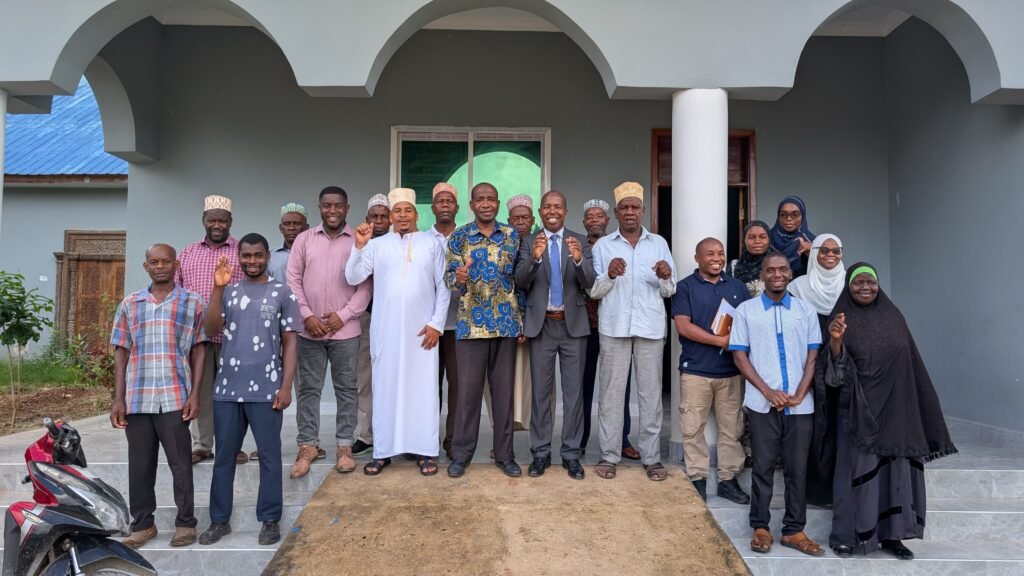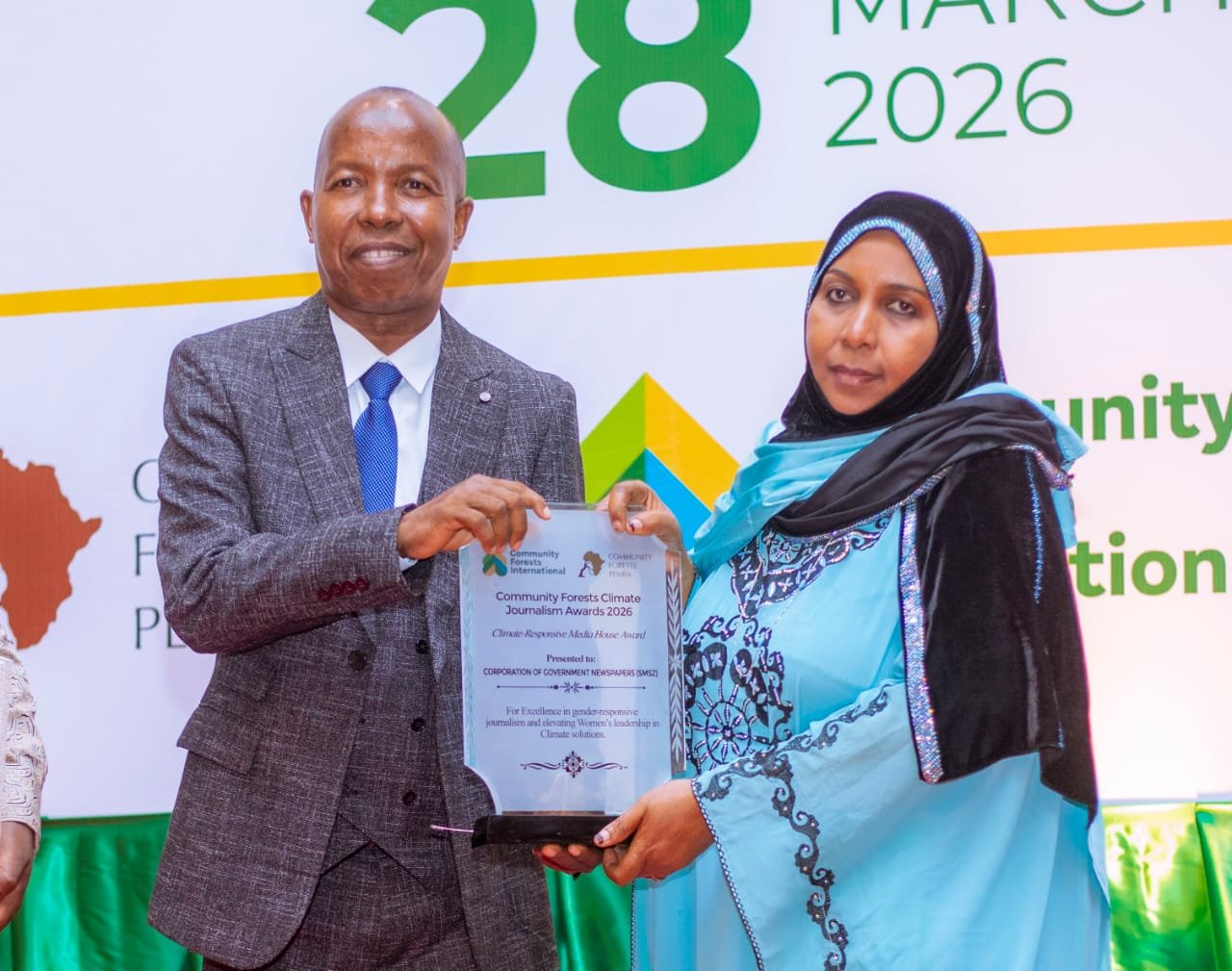
On Friday, 27th March 2026, a long-anticipated milestone was reached in Unguja. After months of intensive community engagement, dialogue, and collaboration, the Community Forest Management Agreements (CoFMAs) for four shehias were officially signed—marking a significant step forward in strengthening local environmental governance across Zanzibar.
The signing ceremony took place at the Central District Office in Dunga, bringing together a diverse group of stakeholders who had all played a role in the journey. Representatives from Bungi, Unguja Ukuu, Uzi, and Ng’ambwa attended, including CoFMA leaders and Shehas, alongside government officials such as the Director of the Department of Forests and the Central District Commissioner. Community Forests Pemba (CFP) was also present, represented by its Executive Director and responsible officers who had guided the process from its earliest stages.

The event was not only a formal conclusion of a long process but also a moment of reflection and appreciation. Speakers acknowledged the Ministry of Agriculture for its continuous collaboration—from the initial consultations to the final stages of agreement—as well as the Shehas of the respective shehias for their leadership and commitment in mobilizing their communities.
The journey to this moment was neither quick nor easy. It required months of participatory discussions, mapping of community forest boundaries, and the development of by-laws that reflected local realities. Yet, as emphasized during the ceremony, the real work begins now. CFP’s Executive Director, Mbarouk Mussa Omar, underscored this point, stating, “With these new agreements, effort should now be made to ensure the laws are being respected and proper action taken against those groups and individuals who destroy the mangroves, to serve as examples.”

Echoing this sentiment, the Director of the Department of Forestry, Mr. Said Juma Ali, highlighted the broader significance of CoFMAs, “The areas that have established CoFMAs are the ones that have aided the government to ensure the areas and resources are properly used and managed, so this is an initiative highly supported by the government.”The Central District Commissioner, Hon. Rajab Ali Rajab also commended the collective effort that brought the agreements to life, while calling for expansion and shared responsibility, “There are many areas along the coast that have been affected by environmental degradation. My request, on behalf of the district, is to expand to more districts. Because environmental conservation is not solely the government’s or CSOs’ responsibility, but a joint effort between all groups in the community.” This call for expansion was strongly echoed by CFP’s Executive Director, who assured stakeholders that efforts to establish CoFMAs would not be limited to the initial eight project areas across Zanzibar. He emphasized CFP’s continued commitment to supporting more communities in developing similar governance frameworks, ensuring that sustainable forest and mangrove management becomes a widespread, community-led practice across both Unguja and Pemba.
The signing itself followed a symbolic and community-centered process. The agreements were first signed by representatives of the four shehias—affirming local ownership—before being signed by the Director of the Department of Forests and finally endorsed by the Central District Commissioner.
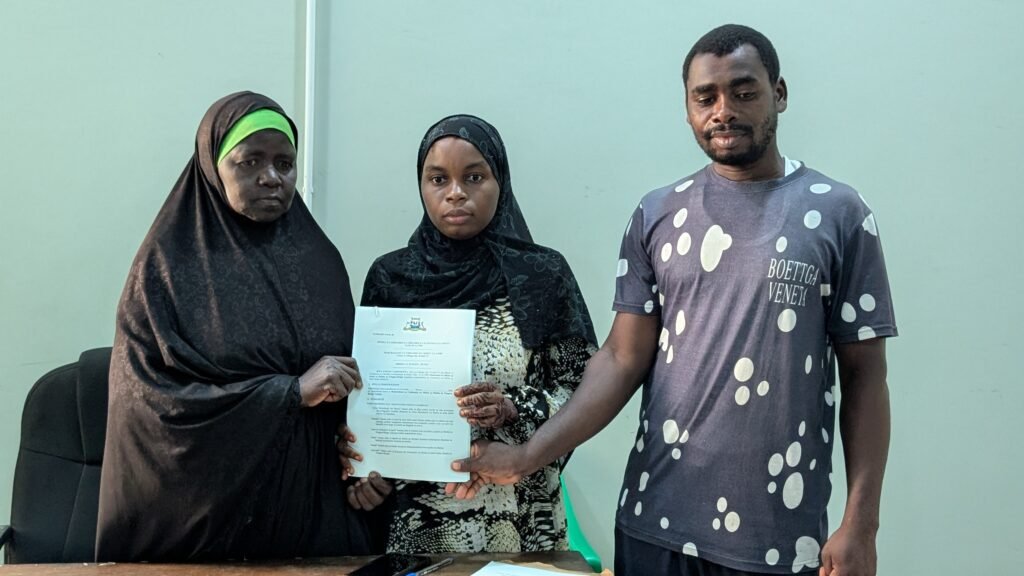
Beyond formal recognition, the CoFMAs also introduce dedicated CoFMA funds, which will support the implementation of activities, enforcement of by-laws, and overall management of community forest areas. This financial component is expected to strengthen the sustainability and effectiveness of the agreements on the ground.
While the signing marks a major achievement, one final step remains. The agreements will now be submitted to the Department of Forestry for endorsement by the Minister of Agriculture, completing the formalization process.
What began as a series of community conversations has now become a legally recognized framework for managing and protecting vital ecosystems. As Unguja moves forward, these agreements stand as a powerful example of what can be achieved when communities, government, and civil society work together—laying the groundwork for a more resilient and sustainable future.